
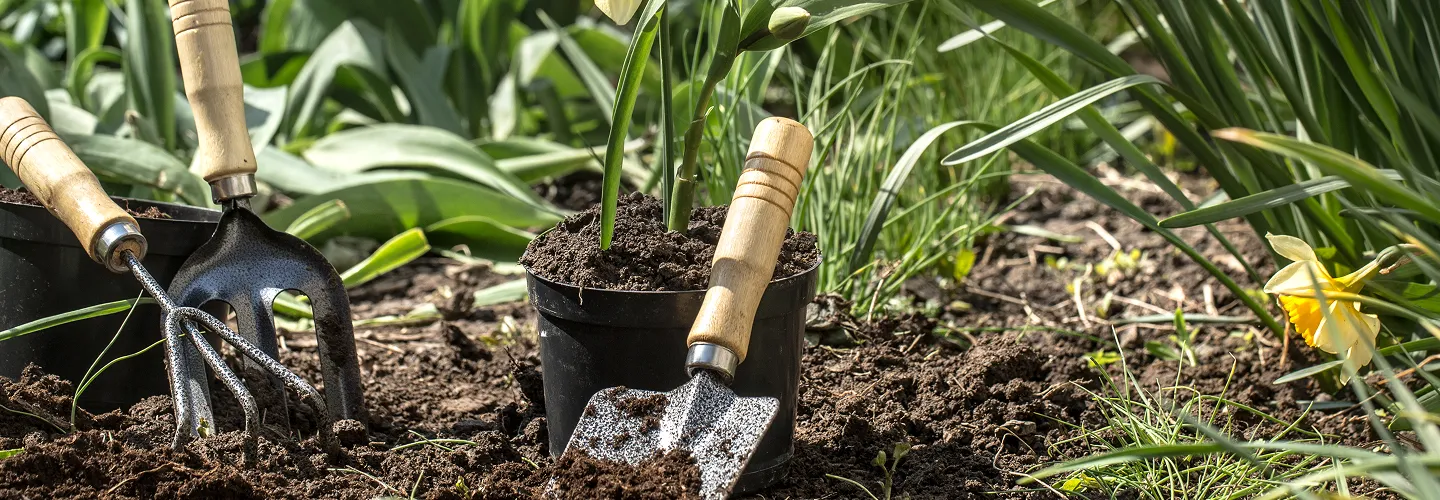
Stockbridge Weeding Services
Choose our expert weeding services for a healthier, more beautiful landscape—our experienced team ensures your garden thrives by removing unwanted weeds quickly and efficiently, so you can enjoy a lush, vibrant outdoor space all season long.
Get a Free QuoteOur Stockbridge Landscaping & Yard Care Services
When to Schedule Weeding in Stockbridge, Georgia – Seasonal Guide
In Stockbridge, Georgia, the best times to schedule weeding are closely tied to our region’s unique climate and landscape. Early spring and late fall are generally optimal, as these periods align with the local frost dates and the natural growth cycles of common weeds found in neighborhoods like Eagles Landing and Monarch Village. During spring, soil temperatures rise and weeds begin to germinate, making it easier to remove them before they establish deep roots. In the fall, cooler temperatures and increased rainfall soften the soil, allowing for more thorough removal and reducing the risk of regrowth.
Local environmental factors play a significant role in determining the right timing for weeding. Stockbridge’s humid summers and occasional drought conditions can affect both weed growth and the ease of removal. Areas with dense shade, such as those near Reeves Creek or along the wooded lots of Flippen Road, may require more frequent attention due to persistent moisture and slower soil drying. Soil type also matters—clay-heavy soils common in our area can make manual weeding more challenging after heavy rains. For more information on local environmental guidelines, visit the official resource.
Local Factors to Consider for Weeding in Stockbridge
- Tree density and shade coverage in your yard
- Terrain and soil composition (clay, loam, or sandy soils)
- Seasonal precipitation and drought risk
- Proximity to creeks, wetlands, or wooded areas
- Municipal restrictions or neighborhood association guidelines
Benefits of Weeding in Stockbridge
Professional Landscaping Expertise
Enhanced Curb Appeal
Weed Prevention Solutions
Eco-Friendly Practices
Time-Saving Services
Consistent Lawn Health
Stockbridge Weeding Types

Hand Weeding
-
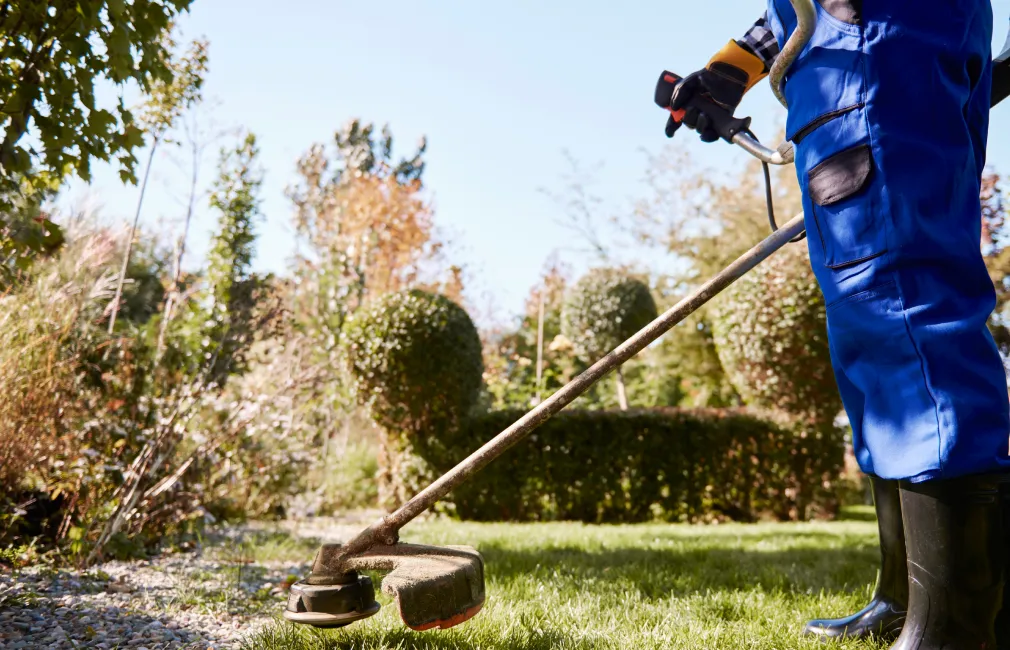
Mechanical Weeding
-
Mulching for Weed Control
-
Chemical Weed Removal
-
Flame Weeding
-
Soil Solarization
-
Selective Weeding
Our Weeding Process
Site Evaluation
Weed Identification
Targeted Removal
Soil Treatment
Final Inspection
Why Choose Stockbridge Landscape Services
-
Stockbridge Homeowners Trust Us
-
Expert Lawn Maintenance
-
Reliable Seasonal Cleanup
-
Competitive Pricing
-
Professional Team
-
Satisfaction Guarantee
-
Personalized Service
Stockbridge Red Clay Soils and Weed Pressure in Planting Beds
Stockbridge sits within Georgia's Piedmont region, where soils are predominantly Cecil and Appling series red clay loams — dense, acidic, and prone to compaction. According to the USDA Web Soil Survey, these soils typically register pH levels between 5.0 and 6.0, creating conditions that favor aggressive weed species such as common chickweed, wild violet, and nutsedge. Compacted clay limits water infiltration, which concentrates moisture at the surface and accelerates weed germination in planting beds and lawn edges. Stockbridge falls within USDA Hardiness Zone 7b, supporting a long warm season from approximately March through October during which weed growth is nearly continuous. Effective weeding in these conditions requires:
- Hand-pulling or mechanical removal when soil is moist following rainfall
- Pre-emergent applications timed to soil temperature thresholds (approximately 55°F for crabgrass prevention)
- Mulch layers of 2–3 inches to suppress germination in ornamental beds
- Soil amendment to reduce compaction and improve drainage over time
UGA Cooperative Extension provides region-specific guidance on weed identification and integrated management strategies suited to Piedmont clay soils.
Weed Control Timing During Stockbridge's Extended Warm Season
Stockbridge's climate, monitored by the National Weather Service Atlanta forecast office, produces warm, humid summers with average high temperatures exceeding 90°F from June through August and annual rainfall averaging approximately 52 inches. This extended growing season means warm-season weeds such as crabgrass, goosegrass, and spurge remain active from late March through early October, while cool-season weeds including henbit and annual bluegrass emerge in November and persist through February. Effective weeding schedules for Stockbridge properties should account for:
- Pre-emergent window: Apply pre-emergent herbicides when soil temperatures reach 50–55°F, typically late February to mid-March for spring weeds
- Active growing season: Manual and mechanical weeding every 2–3 weeks from April through September
- Fall flush: Monitor for cool-season weed emergence beginning in October
- Winter dormancy: Address perennial weed root systems during dormant periods when soil is workable
Timing weeding interventions to growth stage — rather than calendar date alone — significantly improves long-term suppression in Stockbridge's variable Piedmont climate.
Protecting Stockbridge Stormwater Infrastructure During Weeding Operations
Stockbridge's stormwater drainage network includes roadside ditches, detention ponds, and drainage corridors that connect to tributaries of Towaliga Creek and other local waterways. Weeding operations that involve herbicide applications near these features require careful management to prevent chemical runoff into the municipal drainage system. The Stockbridge Stormwater Management department oversees drainage infrastructure maintenance and water quality protection across the city. Under the Clean Water Act and Georgia's NPDES stormwater program administered by Georgia EPD, discharges of herbicides or weed debris into storm drains are prohibited. Property owners and managers should observe the following practices:
- Maintain a minimum 10-foot buffer from storm drain inlets and drainage ditches when applying any herbicide product
- Collect and bag pulled weed material before rain events to prevent debris from entering drainage channels
- Avoid herbicide applications within 25 feet of open water features, detention ponds, or drainage swales
- Confirm label compliance for any product used near impervious surfaces or drainage infrastructure
Stockbridge Stormwater Management
4640 North Henry Blvd, Stockbridge, GA 30281
Official Website: Stockbridge Stormwater Management
Nuisance Vegetation and Code Compliance Through Stockbridge Code Enforcement
Stockbridge's municipal code establishes property maintenance standards that include requirements for controlling overgrown vegetation, weeds, and nuisance plant growth on residential and commercial parcels. The Stockbridge Code Enforcement department investigates violations, issues notices, and monitors compliance with vegetation maintenance standards across the city. Properties with uncontrolled weed growth — particularly along frontages, rights-of-way, and adjacent to neighboring parcels — may be subject to violation notices. Key compliance considerations include:
- Grass and weed height on maintained lots is generally regulated; growth exceeding 12 inches in many Georgia municipalities triggers code review — verify current Stockbridge thresholds directly with Code Enforcement
- Invasive species such as kudzu, Japanese honeysuckle, and privet, identified by UGA Extension - Invasive Species, may require more aggressive removal protocols
- Right-of-way frontage maintenance is the property owner's responsibility up to the edge of the public travel lane
- Vacant lots and undeveloped parcels are subject to the same vegetation standards as improved properties
Stockbridge Code Enforcement
4640 North Henry Blvd, Stockbridge, GA 30281
Official Website: Stockbridge Code Enforcement
Georgia Pesticide Licensing Requirements for Professional Weed Control
When weeding services in Stockbridge involve the application of herbicides — including pre-emergent or post-emergent chemical treatments — Georgia law requires that applicators hold appropriate licensing under the Georgia Pesticide Use and Application Act of 1976. The Georgia Department of Agriculture - Licensing, Certification and Employee Registration administers pesticide applicator licensing for commercial operators statewide. Property owners hiring professional weeding services should verify:
- The contractor holds a valid Georgia commercial pesticide applicator license for the appropriate category (ornamental and turf is Category 24)
- All herbicide products used are EPA-registered and applied in accordance with label directions, which carry the force of law
- Application records are maintained as required under state regulations
- Unlicensed chemical application by a commercial operator is a violation of state law and may expose property owners to liability
Residents performing their own herbicide applications are not subject to commercial licensing requirements but must still follow all product label directions and local environmental restrictions.
What Neighborhoods Do We Serve Throughout Stockbridge, GA?
- Eagles Landing: A well-established community with mature tree canopy and ornamental planting beds that experience significant shade-driven weed pressure, including wild violet and ground ivy, particularly in low-drainage areas.
- Fairview Estates: Residential lots in this area feature red clay subsoils with limited organic matter, creating surface conditions where annual grassy weeds establish rapidly during spring warm-up.
- Jodeco Road Corridor: Properties along this developing corridor include a mix of newer construction fill soils and older wooded lots, with weed pressure varying significantly between cleared and established areas.
- Flippen Road Area: Larger residential parcels with wooded edges and drainage ditches adjacent to low-lying areas, where perennial weeds and invasive vines such as privet and honeysuckle require seasonal management.
- Stockbridge Town Center Vicinity: Older established lots near the city center with compacted urban soils, sidewalk frontage maintenance obligations, and mixed ornamental and turf weed challenges.
- Ellenwood Road Neighborhoods: Subdivisions along this corridor include properties with detention pond adjacency and stormwater easements where herbicide buffer requirements apply to weeding operations near drainage features.