
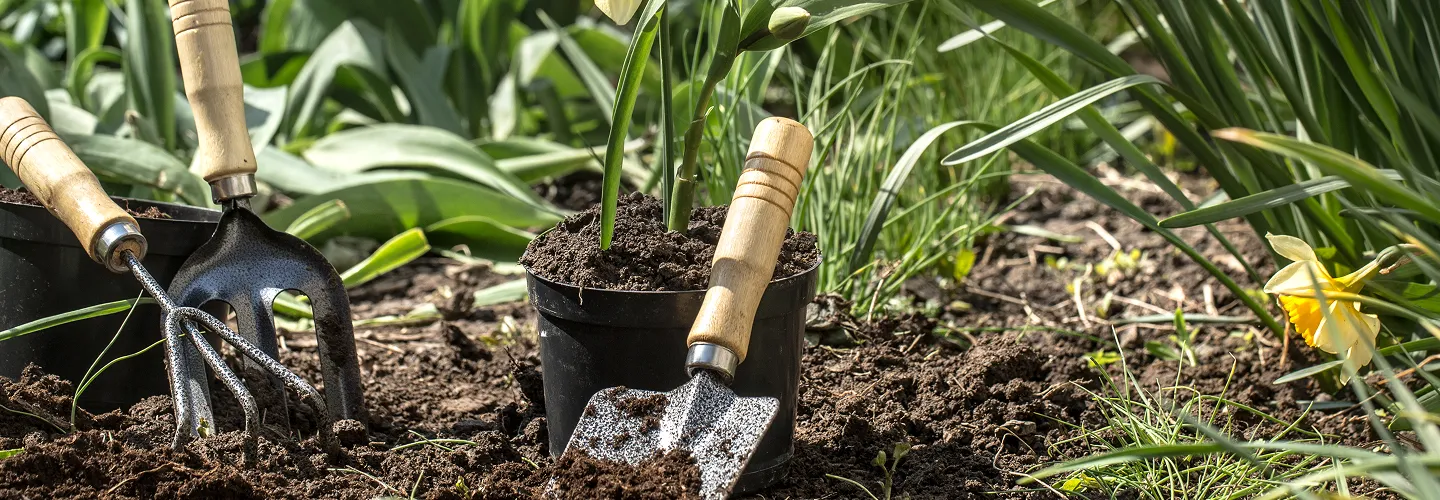
Stockbridge Flower Planting Services
Choose our flower planting services for vibrant, expertly arranged blooms that enhance your curb appeal and thrive throughout the seasons—bringing lasting beauty and value to your home.
Get a Free QuoteOur Stockbridge Landscaping & Yard Care Services
When to Schedule Flower Planting in Stockbridge, Georgia – Seasonal Guide
In Stockbridge, Georgia, the best times for flower planting are typically early spring and early fall. These seasons offer moderate temperatures and reliable rainfall, which help new plantings establish strong roots before the heat of summer or the chill of winter. Local neighborhoods like Eagles Landing and Bellah Landing often see homeowners preparing their gardens as soon as the last frost date passes, usually in late March. The region’s humid subtropical climate means that summer can bring intense heat and occasional drought, so timing your planting to avoid these extremes is crucial for long-term success.
When planning your flower beds, consider Stockbridge’s unique environmental factors. The area’s clay-heavy soils, common in communities near Clark Community Park, require proper amendment for optimal drainage and nutrient retention. Shade coverage from mature trees, especially in older neighborhoods, can influence which flower varieties will thrive. It’s also important to monitor local precipitation patterns and be aware of any municipal watering restrictions, which are sometimes updated on the city’s official website.
Local Factors to Consider for Flower Planting in Stockbridge
- Proximity to mature tree canopies and resulting shade coverage
- Soil composition, particularly clay content and drainage
- Average last frost date (late March) and first frost date (early November)
- Risk of summer drought and high humidity
- Terrain variations, such as slopes or low-lying areas prone to pooling water
- Local precipitation trends and municipal watering restrictions
Benefits of Flower Planting in Stockbridge
Expert Landscaping Services
Customized Plant Selection
Enhanced Curb Appeal
Seasonal Color Variety
Professional Maintenance Support
Eco-Friendly Planting Solutions
Stockbridge Flower Planting Types

Perennial Flower Beds
-
Annual Flower Displays
-
Native Wildflower Gardens
-
Seasonal Bulb Plantings
-
Pollinator-Friendly Plantings
-
Shade Garden Flowers
-
Container Flower Arrangements
Our Flower Planting Process
Site Evaluation
Soil Preparation
Plant Selection
Careful Planting
Watering and Mulching
Why Choose Stockbridge Landscape Services
-
Stockbridge Homeowners Trust Us
-
Expert Lawn Maintenance
-
Reliable Seasonal Cleanup
-
Competitive Pricing
-
Professional Team
-
Satisfaction Guarantee
-
Personalized Service
Stockbridge's Piedmont Red Clay Soils and Flower Bed Preparation Standards
Stockbridge sits within Georgia's Piedmont region, where soils are predominantly Cecil and Appling series red clay loams — dense, acidic, and prone to compaction. According to the USDA Web Soil Survey, these soils typically carry a pH between 5.0 and 6.0, which can limit nutrient availability for many flowering plants. Before planting, property owners should conduct a soil test through UGA Cooperative Extension to determine amendment needs. Practical preparation steps for Stockbridge planting beds include:
- Incorporating 3–4 inches of compost to improve drainage and organic matter content
- Applying lime to raise pH toward 6.0–6.5 for most annuals and perennials
- Breaking compacted clay layers to a minimum depth of 8–10 inches before planting
- Avoiding tilling during wet conditions, which worsens clay structure
Raised or mounded beds are often advisable in low-lying areas where clay restricts drainage. Confirm current soil amendment guidance with the Henry County UGA Extension office before beginning large-scale bed installations.
Optimal Flower Planting Windows for Stockbridge's USDA Zone 7b Climate
Stockbridge falls within USDA Plant Hardiness Zone 7b, with average minimum winter temperatures between 5°F and 10°F. The city's long warm season — typically spanning late March through early November — supports two distinct planting windows for flowering plants:
- Spring annuals and perennials: Plant after the average last frost date of mid-March; soil temperatures should reach at least 55°F for warm-season species such as zinnias, marigolds, and vinca
- Fall color plantings: Pansies, snapdragons, and ornamental kale perform well when installed between late September and mid-October as temperatures moderate below 75°F
- Summer heat considerations: Avoid transplanting heat-sensitive species during July and August when daytime highs regularly exceed 90°F
The National Weather Service Peachtree City forecast office provides local temperature and frost data relevant to Stockbridge planting decisions. Timing installations to avoid both late frost events and peak summer heat stress significantly improves establishment rates for flowering plants in this climate zone.
Protecting Stockbridge Stormwater Infrastructure During Flower Planting Operations
Flower planting activities — including soil amendment, mulching, and fertilizer application — can introduce sediment, nutrients, and organic debris into Stockbridge's stormwater drainage network if not properly managed. The Stockbridge Stormwater Management department oversees drainage infrastructure maintenance and water quality protection throughout the city. Property owners and contractors should observe the following precautions during planting operations:
- Keep disturbed soil areas covered or stabilized when rain is forecast within 24 hours
- Apply fertilizers and soil amendments at least 10 feet from storm drain inlets, curb cuts, and drainage swales
- Avoid blowing or washing excess mulch or soil into street gutters or drainage channels
- Bag or contain plant debris and spent root balls rather than allowing them to accumulate near drainage features
These practices align with Georgia EPD Watershed Protection Branch guidance on nonpoint source pollution prevention. Residents near drainage corridors, detention ponds, or low-lying areas within Stockbridge should take particular care to prevent nutrient-laden runoff from reaching local water features.
Stockbridge Stormwater Management
4640 North Henry Blvd, Stockbridge, GA 30281
Official Website: Stockbridge Stormwater Management
Stockbridge Code Enforcement Standards Affecting Planting Bed Maintenance
Flower planting installations on residential and commercial properties in Stockbridge are subject to property maintenance standards enforced by the Stockbridge Code Enforcement department. While flower beds themselves are generally permitted as standard landscaping, property owners should be aware of the following code-relevant considerations:
- Overgrown or unmaintained planting beds that allow vegetation to exceed nuisance thresholds may trigger code violations
- Plantings within public right-of-way areas require coordination with the city before installation; unauthorized plantings in rights-of-way may be subject to removal
- Mulch and bed edging must not obstruct sidewalks, curb ramps, or drainage features
- Invasive plant species identified by UGA Extension - Invasive Species guidance — such as Chinese privet or Japanese honeysuckle — should not be introduced into new planting beds
Property managers overseeing multi-unit or commercial sites should verify current frontage and landscaping maintenance standards with the Code Enforcement department before undertaking large-scale flower planting projects.
Stockbridge Code Enforcement
4640 North Henry Blvd, Stockbridge, GA 30281
Official Website: Stockbridge Code Enforcement
Selecting Heat- and Humidity-Tolerant Flowering Plants for Stockbridge Landscapes
Stockbridge's Metro Atlanta Piedmont climate combines high summer humidity with extended periods of heat, creating specific performance requirements for flowering plants. Species selection should prioritize demonstrated tolerance for both conditions. Recommended categories for Stockbridge planting beds include:
- Heat-tolerant annuals: Lantana, portulaca, pentas, celosia, and vinca perform reliably through Stockbridge's July–August peak heat periods
- Native perennials: Black-eyed Susan (Rudbeckia hirta), coneflower (Echinacea purpurea), and native salvia support local pollinators and tolerate clay soils with minimal supplemental irrigation once established
- Shade-adapted species: Impatiens, caladiums, and begonias are appropriate for beds under mature tree canopy, which is common in older Stockbridge neighborhoods
- Deer-resistant options: In wooded or edge lots adjacent to greenways or undeveloped corridors, consider salvia, lavender, or catmint, which experience lower browse pressure
The Georgia Department of Agriculture - Fertilizer program regulates fertilizer labeling and composition; property owners should verify that any fertilizer products used in planting beds carry proper Georgia registration.
What Neighborhoods Do We Serve Throughout Stockbridge, GA?
- Eagles Landing: A well-established community with mature tree canopy and mixed sun-to-shade conditions; planting beds in this area often require shade-tolerant species and soil amendment to address compacted clay beneath established root zones.
- Jodeco Road Corridor: Newer residential development along this corridor features fill soils with variable drainage; raised bed construction and compost incorporation are frequently necessary before flowering plant establishment.
- Flippen Road Area: Wooded lot edges and proximity to drainage corridors in this area require careful species selection to avoid introducing invasive plants near natural vegetation buffers.
- Stockbridge Town Center District: Commercial and mixed-use frontage plantings in this area are subject to city code standards for right-of-way maintenance and bed upkeep; annual color rotations are common.
- Fairview Subdivision Area: Established residential lots with moderate clay soils and partial shade from mature hardwoods; perennial and native plantings perform well with proper soil preparation.
- Hudson Bridge Road Neighborhoods: Active residential growth zone with newer construction and compacted fill soils; deep bed preparation and irrigation planning are important for successful flower establishment.