
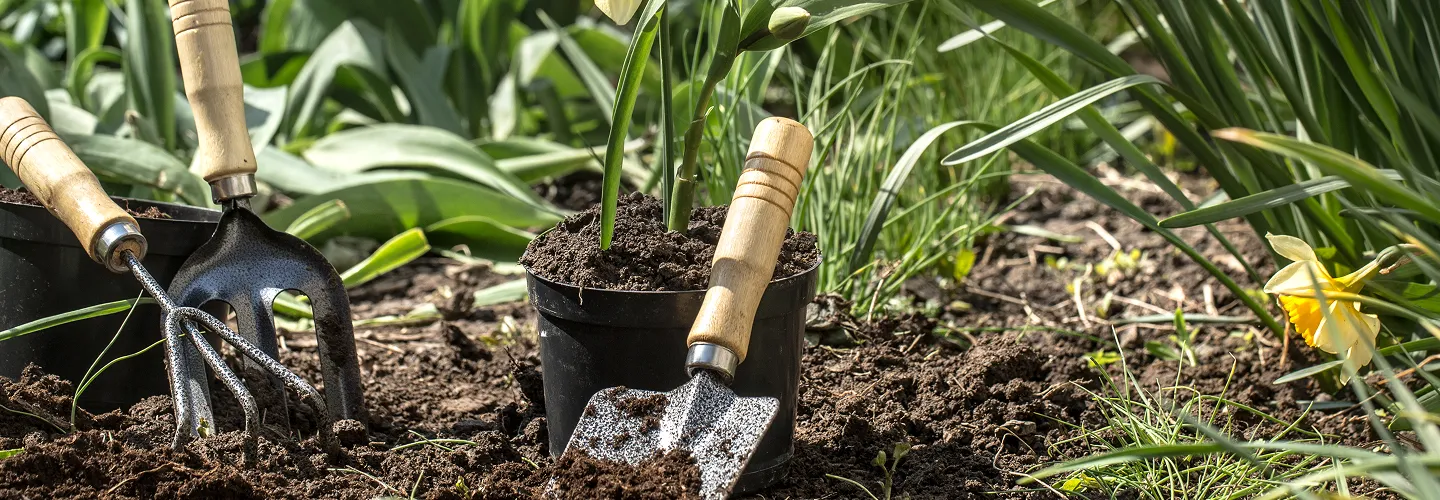
Stockbridge Plant Removal Services
Choose our Plant Removal service for fast, eco-friendly solutions that restore your landscape’s beauty and health—handled by experienced professionals who care about your property.
Get a Free QuoteOur Stockbridge Landscaping & Yard Care Services
When to Schedule Plant Removal in Stockbridge, Georgia – Seasonal Guide
In Stockbridge, Georgia, timing your plant removal is crucial for both the health of your landscape and the efficiency of the process. The region’s humid subtropical climate means that late winter through early spring is often the best window for plant removal, as most vegetation is dormant and the risk of regrowth is minimized. This period also avoids the peak summer heat and heavy rainfall that can complicate removal efforts, especially in neighborhoods like Eagles Landing or near Clark Community Park, where mature trees and dense undergrowth are common.
Local environmental factors play a significant role in determining the optimal schedule. For example, Stockbridge’s average last frost date typically falls in late March, making early spring ideal for removing unwanted plants before new growth begins. Soil conditions—ranging from clay-heavy in the Monarch Village area to sandier soils near Reeves Creek—can affect root extraction and equipment access. Additionally, municipal guidelines and local resources should be consulted to ensure compliance with any seasonal restrictions or disposal requirements.
Local Factors to Consider for Plant Removal in Stockbridge
- Tree and shrub density in your yard or neighborhood
- Terrain challenges, such as slopes or proximity to water features
- Seasonal precipitation patterns and risk of soil saturation
- Municipal restrictions on removal timing or debris disposal
- Proximity to shaded areas, which may delay soil drying after rain
- Drought risk during late summer months
- Soil type and drainage characteristics
Benefits of Plant Removal in Stockbridge
Improved Landscape Health
Enhanced Curb Appeal
Prevention of Pest Infestations
Increased Usable Space
Reduced Maintenance Costs
Professional and Efficient Service
Stockbridge Plant Removal Types

Tree Removal
-
Shrub Removal
-
Stump Grinding
-
Invasive Species Removal
-
Root System Extraction
-
Hedge Clearing
-
Overgrown Vegetation Removal
Our Plant Removal Process
Site Evaluation
Preparation and Safety Measures
Plant Extraction
Debris Removal
Site Restoration
Why Choose Stockbridge Landscape Services
-
Stockbridge Homeowners Trust Us
-
Expert Lawn Maintenance
-
Reliable Seasonal Cleanup
-
Competitive Pricing
-
Professional Team
-
Satisfaction Guarantee
-
Personalized Service
Invasive and Nuisance Plant Removal Under Stockbridge Code Enforcement Standards
Stockbridge property owners are subject to municipal code standards that address overgrown vegetation, nuisance plant growth, and invasive species encroachment on private and adjacent public property. The Stockbridge Code Enforcement department investigates violations related to uncontrolled vegetation, including kudzu, privet, and Chinese wisteria, which are among the most aggressive invasive species documented in Henry County's Piedmont landscape. Properties with vegetation exceeding ordinance thresholds or obstructing sightlines, drainage infrastructure, or neighboring lots may be subject to formal notice and required remediation. Residents should document plant species, coverage area, and proximity to property lines before initiating removal. Practical steps include:
- Identify invasive species using UGA Extension – Invasive Species resources
- Photograph affected areas and measure coverage extent
- Confirm ordinance requirements with Code Enforcement before beginning work
Stockbridge Code Enforcement
4640 North Henry Blvd, Stockbridge, GA 30281
Phone: (770) 389-7900
Official Website: Stockbridge Code Enforcement
Stockbridge's Red Clay Soils and Root Extraction Challenges During Plant Removal
Stockbridge sits within Georgia's Piedmont region and is predominantly underlain by Cecil and Appling soil series — dense, red clay-based Ultisols with limited drainage capacity and significant compaction under developed lots. According to the USDA Web Soil Survey, these soils have slow to moderate permeability and high shrink-swell potential, which directly affects plant removal difficulty. Root systems of established shrubs, ornamental trees, and invasive vines become deeply anchored in compacted clay, often requiring mechanical extraction rather than hand-pulling. Key site considerations include:
- Clay compaction increases with foot and equipment traffic; avoid working saturated soils after heavy rain
- Root balls of mature shrubs in Cecil clay can extend 18–36 inches deep
- Stump grinding or root barrier installation may be necessary after removal to prevent resprouting
- Soil disturbance should be minimized to reduce erosion risk on sloped lots
Stockbridge falls within USDA Hardiness Zone 7b, supporting a long growing season that accelerates regrowth if root systems are not fully extracted.
Protecting Stockbridge Stormwater Infrastructure During Plant Removal Operations
Plant removal on properties near drainage ditches, detention ponds, or stormwater inlets requires careful coordination to prevent sediment discharge and debris blockage. The Stockbridge Stormwater Management department oversees drainage infrastructure maintenance and water quality compliance throughout the city. Disturbed soil exposed during root extraction or ground-level clearing can mobilize rapidly during Stockbridge's summer rainfall events, which average over 50 inches annually. Compliance with the Clean Water Act and local stormwater ordinances requires that:
- Silt fencing or erosion barriers be installed on slopes greater than 3:1 before removal begins
- Removed plant material and root debris be kept away from storm drain inlets and roadside ditches
- Bare soil be stabilized with straw mulch or temporary seeding within 14 days of disturbance
- Work near drainage easements be reviewed with Stormwater Management before proceeding
The Georgia EPD Watershed Protection Branch provides additional guidance on erosion control requirements applicable to land-disturbing activities in the state.
Stockbridge Stormwater Management
4640 North Henry Blvd, Stockbridge, GA 30281
Phone: (770) 389-7900
Official Website: Stockbridge Stormwater Management
Seasonal Timing for Plant Removal in Stockbridge's Piedmont Climate
Timing plant removal correctly in Stockbridge reduces regrowth risk, minimizes soil disturbance, and improves the effectiveness of follow-up treatments. The city's Piedmont climate features hot, humid summers with peak growth from April through September and a relatively mild dormant period from late November through February. UGA Cooperative Extension recommends targeting invasive and unwanted plant removal during late winter dormancy (January–February) when root energy reserves are lowest and regrowth potential is reduced. Key timing guidelines include:
- January–February: Optimal window for removing dormant invasive shrubs such as privet and autumn olive; root systems are accessible and regrowth is suppressed
- March–April: Acceptable for removal before full leaf-out, though regrowth monitoring is required
- May–September: Active growth period; removal must be paired with stump treatment or herbicide application to prevent resprouting
- October–November: Secondary removal window as plants enter dormancy; soil moisture from fall rains aids root extraction
Avoid removal during drought stress periods when soil compaction is highest and root extraction causes maximum ground disturbance.
How Stockbridge's Community Development Process Applies to Large-Scale Plant Removal
Large-scale plant removal projects — particularly those involving land clearing, grading, or vegetation removal on undeveloped or partially developed parcels — may require review through the Stockbridge Community Development Department or the Stockbridge Permits & Inspections office. Projects that disturb more than one acre of land are subject to Georgia EPD land disturbance permitting requirements, including the preparation of an Erosion, Sedimentation, and Pollution Control Plan. Residential-scale removal of ornamental beds, shrubs, or garden plants typically does not trigger formal permitting, but property owners should confirm scope thresholds before beginning work. Relevant review triggers include:
- Removal affecting slopes adjacent to streams or drainage corridors
- Projects involving mechanical equipment on lots with active zoning applications
- Clearing within utility easements or right-of-way areas
- Removal tied to new construction or site redevelopment proposals
Stockbridge Community Development Department
4640 North Henry Blvd, Stockbridge, GA 30281
Phone: (770) 389-7900
Official Website: Stockbridge Community Development Department
What Neighborhoods Do We Serve Throughout Stockbridge, GA?
- Eagles Landing: A master-planned community with mature landscaping, established ornamental beds, and HOA maintenance standards that often require documented plant removal procedures and species-specific replacement plans.
- Fairview Estates: Older residential lots with compacted Cecil clay soils and established root systems from decades-old shrubs and ornamental trees, making mechanical extraction the standard approach.
- Jodeco Road Corridor: A mixed residential and transitional zone where invasive species pressure from adjacent wooded edges — including kudzu and privet — is a recurring removal challenge.
- Flippen Road Area: Semi-rural lots with larger acreage, drainage ditches, and proximity to low-lying areas where stormwater compliance during plant removal is particularly important.
- Downtown Stockbridge: Older in-town properties with smaller lot footprints, mature foundation plantings, and proximity to right-of-way areas requiring coordination with city infrastructure standards.
- Lakeside Subdivisions near Lake Dow Road: Properties adjacent to retention ponds and drainage corridors where buffer zone awareness and sediment control during removal are essential compliance considerations.